Excerpted with permission from the Colossians Bible Study by Lifeway Adults. Copyright 2026, Lifeway Press.
In the fall of 2022, I had the opportunity to take a biblical study tour of Turkey. We followed Paul's footsteps on his mission journeys and visited the sites of the Seven Churches of the Book of Revelation. If I had a wish for all of you, it would be that all of us experience both a mission journey and a study tour of biblical sites, because both are spiritual catalysts that help you see the context of Scripture and how big God is all over our world.
As part of our study tour, we visited the Lycus Valley, about 100 miles inland from the famous New Testament city of Ephesus. The Lycus Valley is home to three cities from the pages of Scripture—Hierapolis, Laodicea, and Colossae.
Our tour started before dawn the first morning there, as we took a hot air balloon ride of the valley to get a bird's eye view of the area. The first few hundred feet were spectacular. However, by the time we reached our "cruising altitude" of 3,000 feet, I got all kinds of vertigo. In the professional picture taken from the balloon at that altitude, my weak grin clearly says: "Get me down!"
Our next stop was Laodicea. With my feet back on terra firma, I enjoyed this site a lot more. We got to see the magnificent ruins, the remains of the Jewish synagogue there, along with the famous pipes that brought lukewarm water into the city as pointed out in the book of Revelation.
Our final stop that day in the valley was the site of Colossae. As far back as I can remember, I've loved the book of Colossians. It's been an important book in my spiritual growth, and my wife's "life verse" comes from 3:13: "Just as the Lord has forgiven you, so you are also to forgive."
"¹²Therefore, as God’s chosen ones, holy and dearly loved, put on compassion, kindness, humility, gentleness, and patience, ¹³bearing with one another and forgiving one another if anyone has a grievance against another. Just as the Lord has forgiven you, so you are also to forgive."
Colossians 3:12-13 CSB
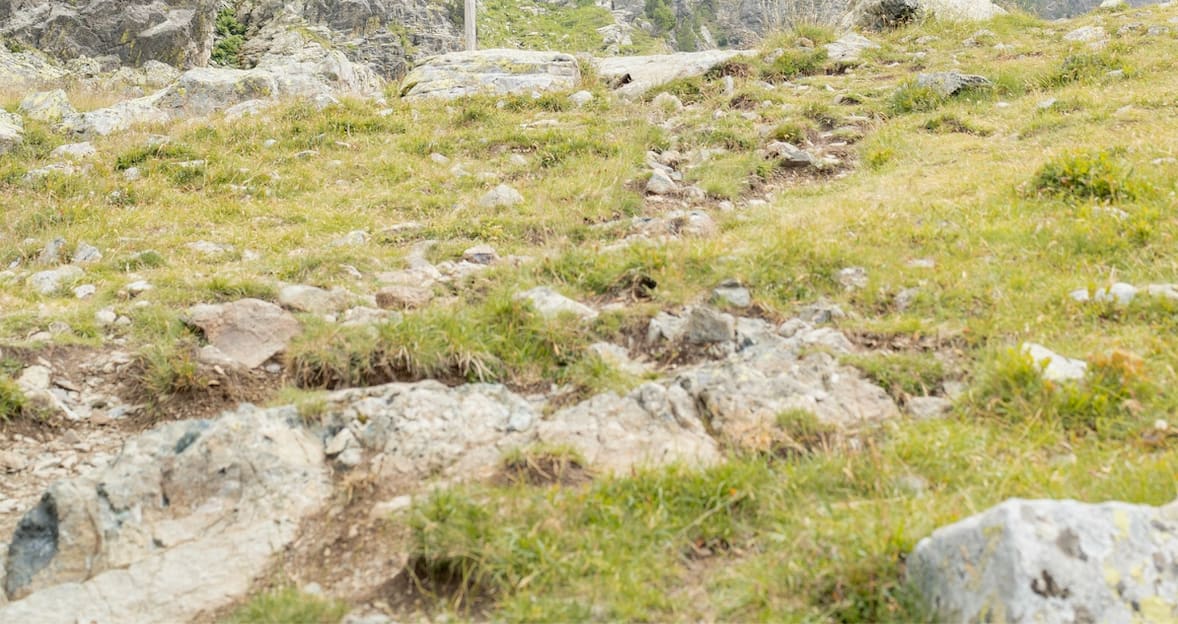
We hopped off our bus, hiked up the hill, and we were disappointed to discover . . . a pile of dirt. They know exactly where the city used to be, as indicated by the sign. But the city has been considered of so little importance from an archaeological standpoint up to this point, they haven't even bothered to excavate it! Destroyed by one of the devastating earthquakes common to the region in AD 60, all that remains is a large hill with an odd concrete-type bunker from some later date on one side.
Unlike its two more illustrious neighbors, Colossae was never rebuilt. This also explains the probable reason why the Colossian church was not included in Jesus's letters to the seven churches in Revelation chapters 2–3. By the time John was exiled on the island of Patmos near the end of the first century, the city no longer functionally existed, and the church had likely scattered to join others in the region.
As we stood there on a pile of dirt that is all that remains of a once-proud city, we pulled out our Bibles and read the book of Colossians in a circle, each of us taking several verses at a time. As we read these timeless passages of Scripture, it dawned on me—sure, I was a bit disappointed to not play "Indiana Jones" exploring this site as we did the others—but this gospel is what it's all about.
One day, if Jesus tarries, our achievements and physical buildings and even our bodies will be nothing but dirt and dust. What endures is Christ and His good news. The city might be gone, but the Word of the Lord our God lasts forever (Isaiah 40:8). The only legacy to us of this once thriving city is Paul's letter to Colossian Christians—but what a legacy it gives us.