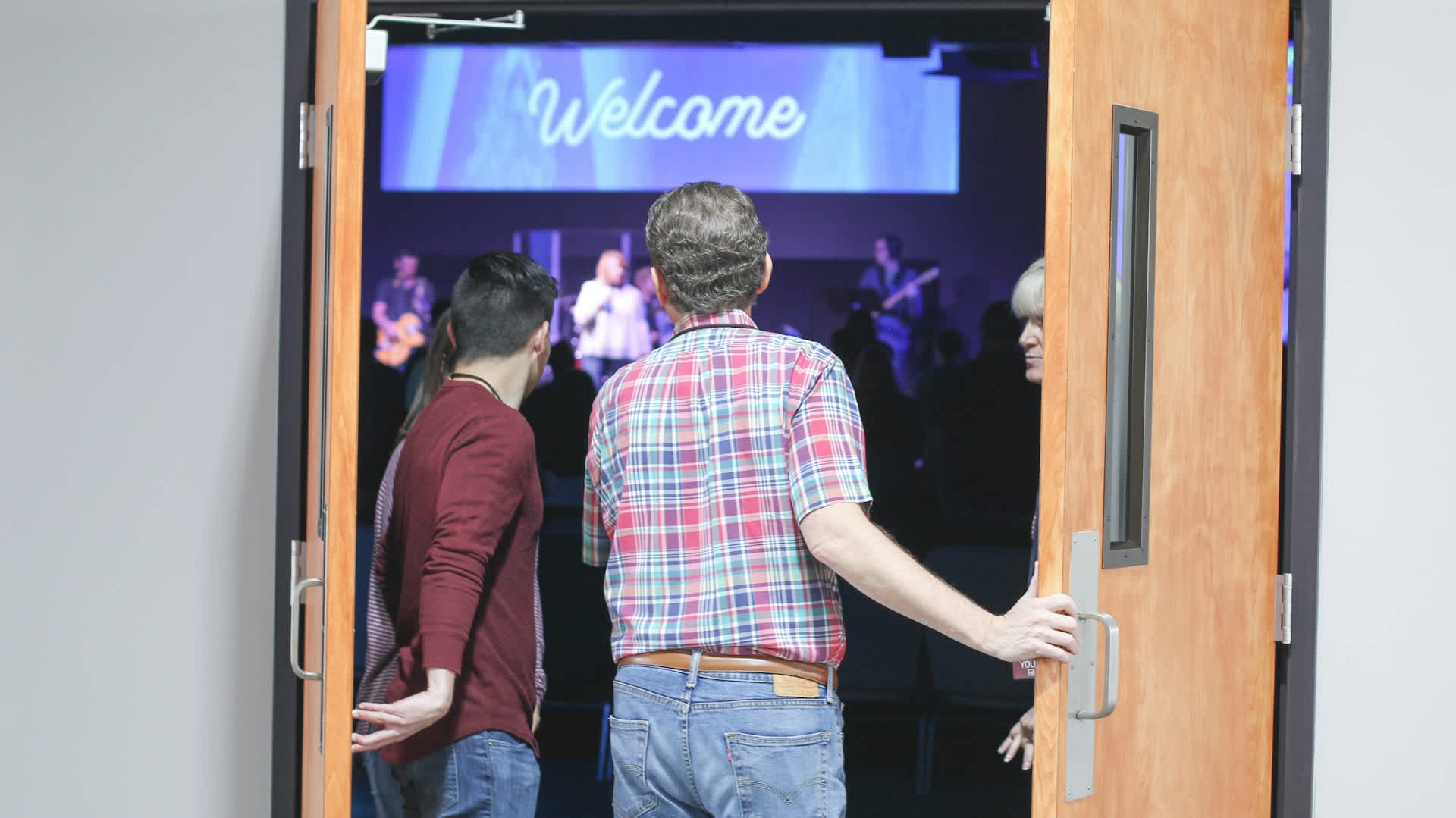
While sanctuaries often catch our eye, the bulk of most churches’ property consists of its educational space. The classrooms set aside for Bible study and discipleship also play a vital role in building a healthy congregation. They are where life-changing connections occur and where believers take important steps in their personal discipleship.
Since these areas are key hubs for kingdom work, it makes sense to create welcoming environments for our members and prospects alike.
Three Areas to Consider
As you think about creating a welcoming environment for your Bible study, you can focus on three areas: physical space, biblical approach, and relational connections.
1. Physical Space
This is the most obvious aspect of creating of welcoming environment. Simple things like having plenty of space and ensuring proper lighting can make a huge impression. Comfortable rooms enhance comfortable experiences. You also should remove posters or artwork that feels “dated.” You don’t need recliners and coffee makers, but you do need a space that feels inviting and friendly.
2. Biblical Approach
While décor and space are tangible elements of creating a welcoming environment, the structure of your sessions also plays a role in attracting people. Discussion and active learning, presented through a variety of teaching methods, takes more time for preparation. However, they also allow individuals to interact more deeply with the content. Lecture nurtures passivity, while a mix of activities and a focus on application nurture involvement and a sense of belonging.
3. Relational Connections
Ironically, one great way to create a welcoming atmosphere inside your walls is to provide opportunities for adults to connect outside your walls. Service projects and fellowship opportunities help people get to know one another. As a result, they learn to trust and care about each other. They build bridges that carry over to Sundays. I have a friend who talks about believers “doing life together,” but that kind of life requires more than a single hour once a week.
A Second Look
To see if you’ve created a welcoming environment, look at your space through the eyes of a visitor. Ask some friends who are not connected to your church to evaluate your space. Share the flow of your Bible study time and ask them for ideas about building a more interactive session and identifying “beyond the walls” opportunities.
Admittedly, change can be hard. Traditions are great and have their place, but they can’t impede your most important goals as a leader: Sharing the message of Jesus with those who haven’t accepted Him and encouraging ongoing discipleship among those who have. If taking down a poster, trying a new teaching method, or scheduling a fellowship can make a kingdom difference, it will be worth the effort.