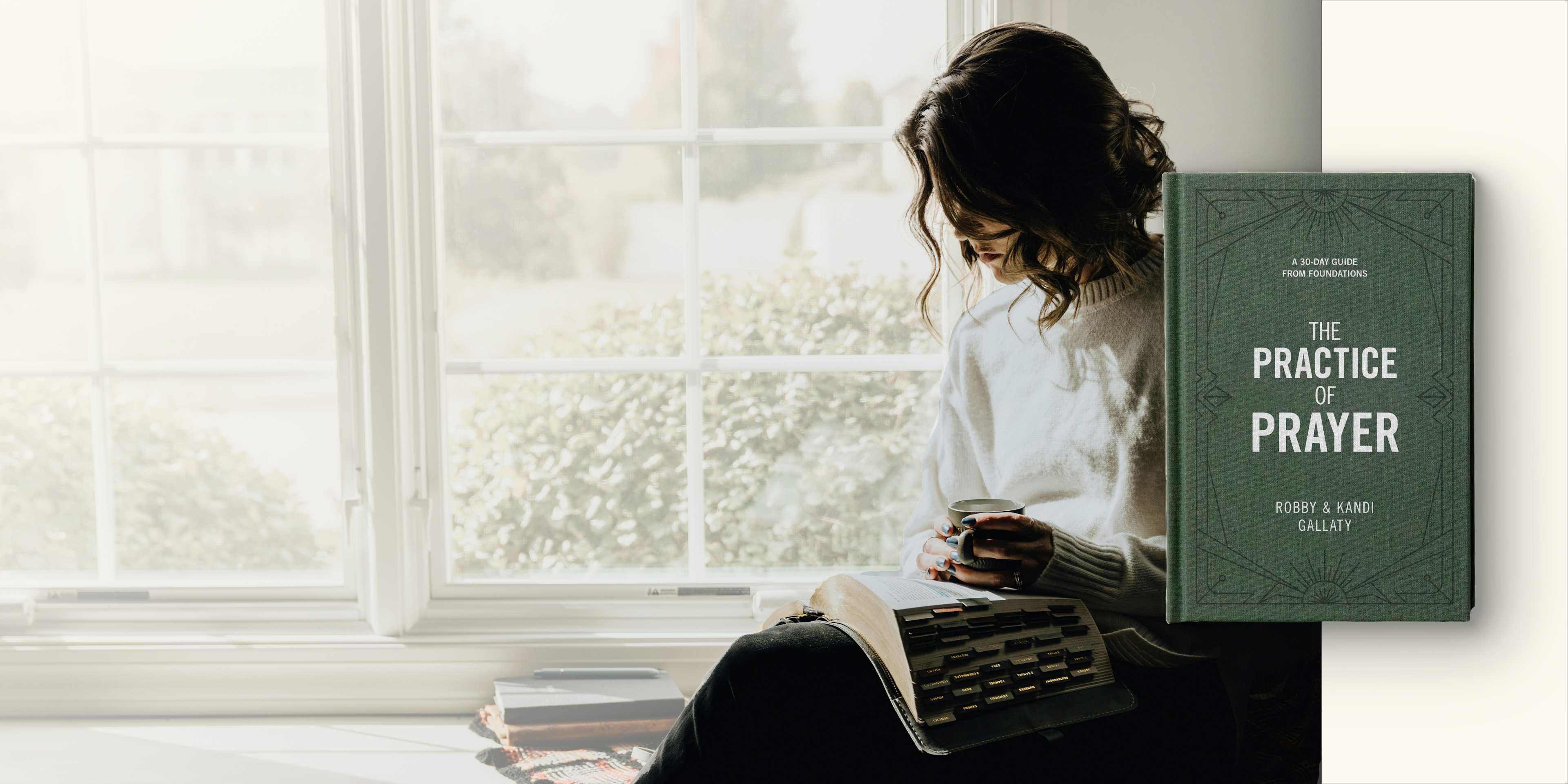
We can tend to forget that each time we pray, it is an opportunity to connect with God and to know Him more. Our prayer lives should be vibrant and rich, but sometimes we need help getting to that point. Here are seven practices of prayer that can help you take your prayer life to a deeper level.
1. Position Yourself
It's true that you can pray to God in any place, with any physical posture. It's also true, though, that your physical posture of prayer can ready the internal posture of your heart. Consider using different postures in prayer as a way of slowing down and entering into God's presence with greater intention. If you typically sit while you pray, try standing up or walking around. You could try holding your arms up over your head or your hands out in front of you. Try any other postures God leads you to take.
2. Pray the Scripture
God always answers yes to prayers that align with His will and purposes. His will and purposes are stated clearly in His Word. So, personalizing Scriptures that speak to God's commands and promises allows you to be teachable, informed, and expectant toward God in prayer.
Here's how to do it:
Choose a prescriptive (instructive) passage, verse, or prayer in your Bible that resonates with your felt need or position.
Examine the context. Read the full passage to help you understand how to pray in line with God's will as expressed in Scripture.
Thoughtfully consider what the passage teaches and how it applies to your life and/or the lives of anyone else you're wanting to bring before the Lord in prayer.
Personalize and shape your prayer according to the text, speaking God's Word back to Him.
Write your prayer as a way to both remember the passage and help you return to ongoing conversation with God at a later time.
3. List Needs
Making a list of prayer needs is a common practice that has many benefits. It helps clear your headspace and focus your attention towards your conversation with God. It organizes and amplifies your thoughts. It provides a visual of what you're entrusting into God's care. It provides a record of prayers that you can look back on to remember what God has done. Listing needs helps you pray!
Here are some ideas of how to use lists in your prayer time:
Choose only one category of prayer and make your list accordingly. As you do, consider your list as being about yourself and others, only others, or only yourself.
As a way of learning to think beyond the physical, make a list that excludes physical needs altogether.
Create lists for different days of the week.
4. Lament
Lament is a way of drawing close to God and remembering His character and promises in times of suffering and grief. There are times when you'll feel the need to practice this type of prayer more than others. Prayers of lament are common in Scripture. At least one-third of the psalms are psalms of lament, and some scholars count them closer to one-half! The psalms of lament teach us, as do our own prayers of lament, that God hears us, cares deeply about us, and answers us when we bring our sorrows to Him.
As a way of understanding the practice of praying in lament, read some of these—Psalm 3; 6; 13; 22; 42; 44; 56; 60; 71; 77; and 88. As you do, notice the elements those prayers of lament contain and use them as a pattern for yourself.
5. Journal
Whether you're praying in praise or lament, petition or intercession, thanksgiving or confession, words of Scripture or words straight from your raw and unfiltered heart, journaling is a helpful practice. Recording your prayers can help you focus, find clarity of thought and belief, gain consistency, and later reflect and remember.
Journaling your prayers doesn't necessarily mean you must write your prayers like you're completing a writing assignment in English class! To practice prayer through journaling, full paragraphs aren't even needed at all.
6. Engage in Silence and Solitude
We tend to jump straight into conversation with God, say what we want to say, then jump straight back out and into whatever is next on our agendas. The benefits of prayer, though, will never peak with a rushed approach. God wants to speak to you, and you need to hear His voice more than you need to speak to Him! Listening to God makes space for Him to direct the conversation in prayer. That's why unrushed periods of silence and solitude with God have such great benefit. Consider this as a suggested way to begin engaging in silence and solitude with God as an ongoing prayer practice.
7. Remember
When difficulties come, hard questions tend to come too. Yet for those who intentionally focus their hearts and minds on gospel truths, those questions find their answers. Difficult circumstances may persist, but the peace of Christ can be present in the midst of them. In every situation and emotion, God is still answering prayers. The practice of prayerful remembering, then, is vital to growing in your trust of Jesus. The word "remember" is used over 200 times in the Bible. The concept goes beyond mental recall. It is connected to our relationship with God and leads to life change.
Remembering reminds you that God is for you. God is listening to you. God is very much a part of your prayer life—and He answers your prayers. You can trust that God is at work in the details. Look back in order to look ahead.
For more ideas like these, check out The Practice of Prayer by Robby and Kandi Gallaty. It is a 30-day guide that will equip and encourage you to broaden your prayer life through prayer practices, prompts, and helpful tools to build the habit of prayer.